Complex Autoimmune Disorders
Scleroderma
Scleroderma is rare enough that most physicians see a handful of cases in a career. It is not rare here.
What we see
Raynaud’s that has changed character, fingers that have tightened or ulcerated, skin that feels bound, heartburn that has become trouble swallowing, shortness of breath on the stairs. Some people have limited disease that will stay limited; some have early diffuse disease where the next two years decide a great deal. Many have an overlap with lupus, Sjögren’s, or myositis and have been bounced between specialists. Dr. Wallace served on the board of the Scleroderma Foundation’s Southern California chapter for twelve years and has treated systemic sclerosis for four decades.
How the first visit works
Records first. Send antibody panels (particularly centromere, Scl-70, and RNA polymerase III if tested), pulmonary function tests, echocardiogram reports, any high-resolution CT of the chest, and clinic notes. The visit is an hour and includes a full skin and nailfold examination. It ends with a clear statement of the subtype, which organs need watching, and how often.
Treatment
Scleroderma is managed organ by organ. Raynaud’s and digital ulcers, reflux, lung involvement, and kidney risk each have their own approach, and the skin itself responds to treatment better than it used to. The most important part of care is screening on a schedule so that lung and heart involvement are found early, when they are treatable. Clinical trial options exist and are discussed when they fit.
Common questions
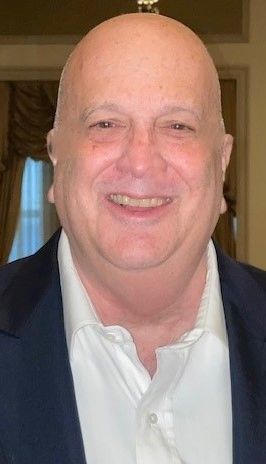
Daniel J. Wallace, MD, FACP, MACR
Professor of Medicine, Cedars-Sinai and UCLA. Editor, Dubois’ Lupus Erythematosus, 10th ed. Past president, Lupus Foundation of America.
New patients
New-patient openings are held every week.
Email Jody with a few lines about what’s going on. She’ll send the forms and a time.